When people think of building muscle, they often picture weightlifting in a gym. However, many wonder—does swimming build muscle? The answer is yes, but not in the same way as traditional resistance training. Swimming uses water as natural resistance, forcing muscles to work continuously throughout each stroke. This sustained effort leads to toning, endurance, and gradual strength gains.
Moreover, every major muscle group activates during a swim session. The arms pull through water, the core stabilizes the body, and the legs provide propulsion. Because water offers more resistance than air, each movement becomes a form of low-impact strength training. Over time, consistent swimming develops lean muscle mass across the entire body. It also improves posture, balance, and cardiovascular health.
 How Swimming Engages Major Muscle Groups
Full-Body Activation With Every Stroke
Does swimming build muscle? Swimming demands coordination between multiple muscle systems. During freestyle, the latissimus dorsi and deltoids power the arm movements. These back and shoulder muscles contract with each pull. At the same time, the triceps extend the arms forward in a fluid motion.
The core plays a crucial role too. Abdominal and oblique muscles tighten to maintain a horizontal position. They prevent the hips from sinking and support rotational movements. A strong core enhances efficiency and reduces drag in the water.
Legs contribute significantly, especially in kicks. The quadriceps drive the front part of the flutter kick. Meanwhile, the hamstrings and glutes engage during the upward motion. In dolphin kicks, hip flexors and calves activate intensely.
Breaststroke involves unique mechanics. Inner thigh muscles, or adductors, snap the legs together forcefully. This action builds strength in often-neglected areas. Even the feet and ankles work harder to push against water.
Butterfly requires explosive upper-body power. It engages the chest, shoulders, and core simultaneously. Each wave-like undulation strengthens deep stabilizing muscles. Overall, no area remains untouched during a full swim workout.
 Comparing Muscle Development: Swimming vs. Weight Training
Understanding Different Types of Strength Gains
Muscle growth occurs through resistance, regardless of the source. Weight training uses external loads like dumbbells or machines. This method creates high-intensity stress that leads to hypertrophy—the enlargement of muscle fibers. As a result, lifters often see visible bulk over time.
In contrast, swimming relies on constant motion against water resistance. The force increases with speed and technique. While it doesn’t typically produce large muscles, it builds long, lean definition. Swimmers develop functional strength rather than size-focused gains.
Additionally, swimming promotes muscular endurance. Repetitive strokes train muscles to perform for extended periods. This type of conditioning supports stamina and fatigue resistance. It benefits athletes in other sports as well.
Weight training allows isolated exercises. You can target biceps, quads, or calves individually. Swimming works groups together in integrated patterns. This mimics real-life movement and improves overall coordination.
Recovery differs too. Resistance training may cause soreness due to micro-tears in fibers. Swimming causes less joint strain and inflammation. Its low-impact nature reduces injury risk while still challenging muscles.
Both methods are effective. The choice depends on goals—size, tone, endurance, or overall fitness.
Which Strokes Target Specific Muscles Most Effectively
Matching Swim Techniques to Muscle Goals
Each swimming stroke emphasizes different muscle groups. Freestyle, also known as front crawl, focuses on shoulders, arms, and core. The continuous overhand motion strengthens rotator cuffs and lats. It also improves shoulder mobility when done correctly.
Backstroke builds similar muscles but in reverse motion. The backward pull works the rear deltoids and upper back. This helps correct posture by counteracting forward-hunching habits. Leg kicks remain steady, engaging glutes and quads over time.
Breaststroke stands out for inner thigh development. The whip-like leg movement targets adductor muscles heavily. Hip flexors also activate during the glide phase. Arm pulls emphasize the pectorals and anterior deltoids.
Butterfly is the most physically demanding. It recruits the entire upper body—chest, shoulders, lats, and core. The dolphin kick forces abdominal muscles to contract rhythmically. This stroke burns calories quickly and builds core stability.
Sidestroke involves asymmetrical movements. One arm pulls while the other extends forward. Legs perform a scissor kick, working hip abductors and adductors. Though less common, it builds lateral strength and balance.
Combining strokes maximizes results. A varied routine prevents plateaus and ensures balanced development. Rotating styles keeps workouts engaging and comprehensive.
 The Role of Resistance and Repetition in Water
Why Constant Motion Builds Lean Definition
Water provides natural resistance from all directions. Unlike air, it resists both forward and return movements. This means muscles stay engaged throughout the entire range of motion. There’s no “rest” phase like in lifting, where gravity assists lowering.
As swimmers move faster, resistance increases exponentially. Doubling your speed creates four times more drag. This dynamic challenge pushes muscles harder without added weights. Technique refinement further intensifies effort.
Repetition plays a key role too. Lap swimming involves hundreds of strokes per session. High repetition trains slow-twitch muscle fibers. These fibers support endurance and toning rather than bulk.
Lactic acid builds up gradually, signaling muscle adaptation. Over time, the body responds by strengthening connective tissues and improving oxygen delivery. Capillaries expand, and mitochondria multiply within cells.
Buoyancy reduces joint pressure. This allows longer sessions without pain or wear. Extended time in the water means more total work performed. More work equals greater cumulative muscle stimulation.
Even floating requires subtle contractions. Core muscles make tiny adjustments to keep alignment. These micro-engagements add up over time. They contribute to improved muscle control and postural awareness.
Ultimately, swimming builds functional, athletic strength. It shapes the body through consistent, full-range effort.
Factors That Influence Muscle Growth From Swimming
Duration, Intensity, and Consistency Matter
How much muscle you gain from swimming depends on several factors. Frequency of workouts plays a major role. Swimming three to five times per week produces better results than once weekly. Regular exposure keeps muscles adapting.
Session length also affects outcomes. Beginners might start with 20-minute swims. Advanced swimmers often train for an hour or more. Longer durations increase calorie burn and muscle engagement.
Intensity determines growth potential. Easy laps improve cardiovascular health but have limited muscle impact. Interval training—alternating fast sprints with recovery—boosts strength gains. Adding drills like pull sets or kickboard work isolates specific areas.
Technique influences effectiveness. Proper form ensures correct muscle activation. Poor mechanics shift workload to smaller muscles or joints. This reduces efficiency and increases injury risk.
Age and metabolism affect response rates. Younger individuals often build muscle faster. Hormonal balance, nutrition, and sleep quality also play roles. Without proper protein intake, muscle repair slows down.
Genetics set baseline limits. Some people naturally carry more muscle mass. Others develop leaner physiques regardless of training. Still, everyone can improve strength and tone with effort.
Combining swimming with dryland exercises accelerates progress. Bodyweight circuits or resistance bands enhance overall development. Cross-training fills gaps left by water-only routines.
 Can Swimming Alone Be Enough for Significant Muscle Gain?
Realistic Expectations for Swimmers
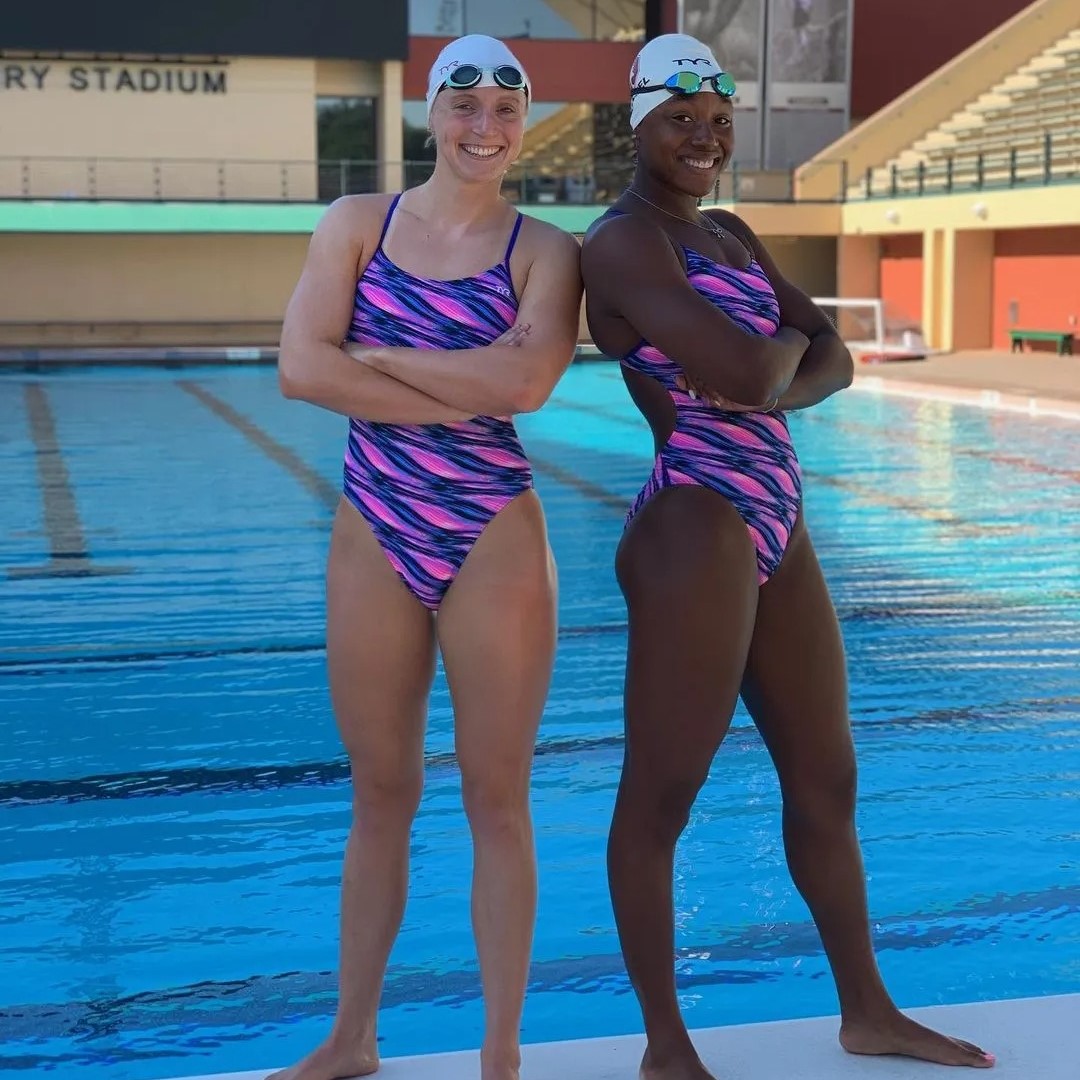
Swimming alone can build noticeable muscle, especially in beginners. Newcomers often see rapid improvements in tone and definition. Their bodies adapt quickly to the new stimulus. Upper back, shoulders, and core show early changes.
However, experienced athletes may hit plateaus. Without increased resistance, gains slow down. Water lacks the progressive overload found in weight rooms. Lifting heavier weights forces continuous adaptation. Swimming must become more intense or technical to match this.
That said, elite swimmers display impressive physiques. Michael Phelps and Katie Ledecky have highly developed musculature. Their training includes thousands of yards per week. Volume compensates for lack of external load.
For most recreational swimmers, pairing swimming with strength training yields best results. Dryland workouts target areas underused in water. Squats, deadlifts, and push-ups build mass more directly.
Still, swimming remains unmatched for full-body conditioning. It improves heart health, lung capacity, and flexibility. These benefits support overall fitness and recovery.
Therefore, while swimming builds muscle effectively, combining it with other methods maximizes outcomes. It should be part of a broader fitness plan.
Frequently Asked Questions About Swimming and Muscle
Common Concerns From Fitness Enthusiasts
Does swimming build arm muscle? Yes, especially through strokes like butterfly and freestyle. Continuous pulling motions strengthen biceps, triceps, and forearms.
Can swimming give you abs? Absolutely. Core muscles work constantly to stabilize the body. Ripples and kicks engage abdominals deeply.
Is swimming good for building leg strength? Definitely. Kicking actions work quads, hamstrings, glutes, and calves. Breaststroke adds inner thigh focus.
Why don’t swimmers look bulky? Water promotes lean muscle development. Hypertrophy is less pronounced than in weightlifters.
Do you need to swim every day? No. Three to five sessions per week suffice. Rest days allow muscle recovery and growth.
Can older adults build muscle from swimming? Yes. It’s joint-friendly and effective for all ages. Muscle preservation is possible with consistency.
Should I combine swimming with gym workouts? For maximum muscle gain, yes. Each complements the other’s strengths.
These answers help clarify expectations. Knowledge leads to smarter training choices.
 Final Thoughts on Whether Does Swimming Build Muscle
A Balanced View on Aquatic Strength Development
To conclude, does swimming build muscle? The answer is clearly yes. It develops lean, functional strength across the entire body. While it may not create bulky muscles like weightlifting, it tones and defines effectively.
Its low-impact nature makes it accessible to nearly everyone. Joint stress remains minimal, yet muscles receive constant resistance. Endurance, posture, and coordination improve alongside strength.
For those seeking a holistic approach, swimming delivers outstanding value. It combines cardio, flexibility, and muscle training in one activity. Whether you’re rehabbing an injury or training for competition, it supports diverse goals.
Ultimately, consistency and effort determine results. Pairing swimming with proper nutrition and rest amplifies gains. With realistic expectations, swimmers can achieve impressive physical transformation.